
At the Amsterdam University Medical Center, the department of Nephrology is an academic, tertiary service for patients with (suspected or known) genetic kidney disease. Patient care is delivered through close collaboration of a multidisciplinary team, consisting of nephrologists, specialized nurses, medical social workers, dieticians, nephropathologists and clinical geneticists.
The clinical care is further strengthened by a range of research activities, including genetic and experimental research, and also participation in international clinical research consortia. Research is focused on elucidating the (genetic) causes and mechanisms of chronic kidney disease of unknown origin, as well as focus on specific genetic kidney diseases including autosomal dominant polycystic kidney disease (ADPKD), collagenopathies and tubulopathies.
Most peadiatric nephrology patients have a genetic condition resulting in metabolic disorders or kidney disease. To this end, the Amsterdam Kidney Health centre has a particular focus on this patient population.
Cystinosis: from genetic newborn screening to cure
Cystinosis is a rare, life-threatening disease that causes severe kidney damage from infancy and later affects many other organs. Patients face a lifelong burden of taking more than 30 pills a day and drinking water constantly. Current treatments can only slow the disease and delay kidney failure. Our mission is to change this. By diagnosing cystinosis at birth, we can start treatment before irreversible damage occurs. Together with national and international partners, researchers at KHA and the Emma Center for Personalized Medicine are developing breakthrough gene therapies, as well as new drugs and dietary approaches, with one goal: to prevent kidney failure and ultimately cure cystinosis.
FLUID-KID – Friendly Liquid-based Understanding and Investigation of Diseases of Kidneys
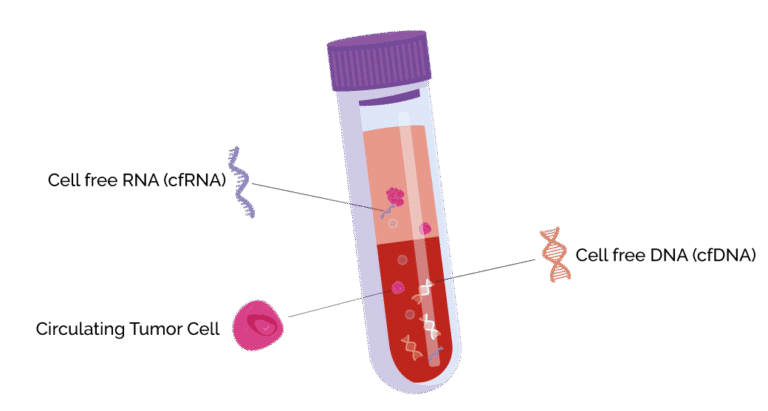
The KNA Translational Laboratory has developed a unique, non-invasive technology to isolate kidney cells directly from urine. This patient-friendly “liquid biopsy” avoids the need for painful kidney biopsies and enables researchers to study kidney disease at the molecular level. By combining these cells with advanced multi-omics technologies, we aim to better understand disease mechanisms and accelerate the development of new treatments.
From painful kidney puncture to ‘liquid biopsy’ to study genetic kidney diseases
This project is supported by the Dutch Kidney Foundation and Kidnie (26KVF001)
Hyperoxaluria: from Breakthrough RNA Therapies to Lifelong Cure
Hyperoxaluria is a rare and severe metabolic disease that causes kidney stones, crystal deposits in the kidneys and other organs, and ultimately kidney failure. Researchers at Amsterdam UMC pioneered the development of breakthrough RNA interference (RNAi) therapies that reduce oxalate production and have helped many patients avoid liver transplantation. However, RNAi is not effective for all forms of the disease. Using unique stable isotope technology, we can identify the underlying metabolic defect and tailor treatment to each patient. Our ultimate goal is a lifelong cure for everyone with hyperoxaluria
Treatment for Renal Fanconi syndrome – multi-omic approach for finding drug targets in renal Fanconi syndrome
There is currently no cure for renal Fanconi syndrome. By combining cutting-edge kidney organoid and multi-omics technologies, we are searching for new drug targets that could lead to treatments for patients with different genetic forms of the disease.
Lowe Syndrome
Lowe syndrome is a rare and severe disease that affects the kidneys, eyes and nervous system. There is currently no treatment that can stop or reverse the disease. Together with the Cure Lowe Foundation, we are developing innovative gene therapies with one goal: to provide a lifelong cure for patients with Lowe syndrome.
See also: https://curelowe.com/
FINEart – Foetal INvestigations into the Etiology of anomalies of renal tissue
FINEart creates a spatially resolved transcriptional atlas of normal human kidney development. Researchers from Amsterdam UMC and RWTH Uniklinik Aachen integrate single-cell RNA sequencing with spatial transcriptomics to map cell types, niches, and developmental trajectories in human fetal kidney samples. This normal atlas is then used as a reference to identify altered spatial domains and gene expression signatures in structurally abnormal fetal kidneys (kidney hypodysplasia). Historical pediatric kidney samples are profiled with the same platform to trace continuity between fetal abnormalities and postnatal kidney disease. All datasets and tools will be openly shared and embedded in existing atlases to maximize scientific, clinical, and patient impact.
This project is supported by the Dutch Kidney Foundation (24OK1076).
ArtDECO – Aetiology of renal and urinary tract anomalies defines Diagnostic Efficacy and Clinical Outcome
ArtDECO is a multicenter consortium that studies congenital anomalies of the kidney and urinary tract (CAKUT), the leading cause of kidney failure in children. This consortium consist of researchers from Amsterdam UMC (project lead), Erasmus MC, LUMC, Radboudumc (project coordination), UMCG and UMC Utrecht to build a nation‑wide CAKUT data‑ and biobank with detailed clinical data, environmental exposures and large‑scale genetic profiling of 3,750 patients and ≥2,200 controls. Using exome sequencing, GWAS, co‑expression networks and gene–environment modelling, ArtDECO aims to define the full aetiologic landscape of CAKUT and develop prediction models for kidney prognosis. Prioritized variants and exposures are functionally tested in human iPSC‑derived kidney organoids and mouse models. The project is designed to directly improve diagnostics, counselling and individualized care for CAKUT patients.
This project is supported by the Dutch Kidney Foundation (20OC004).
